Minimalist Model Mockup: A Practical Choice for Clean, Professional Design Presentation
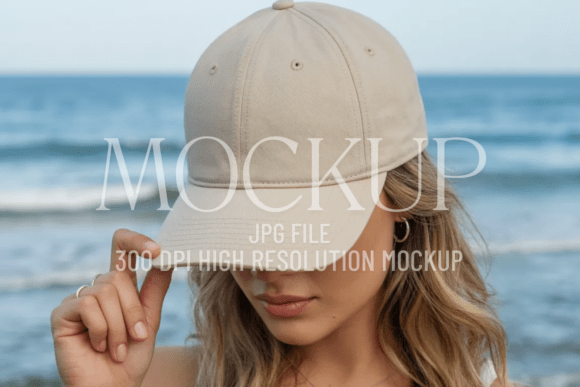
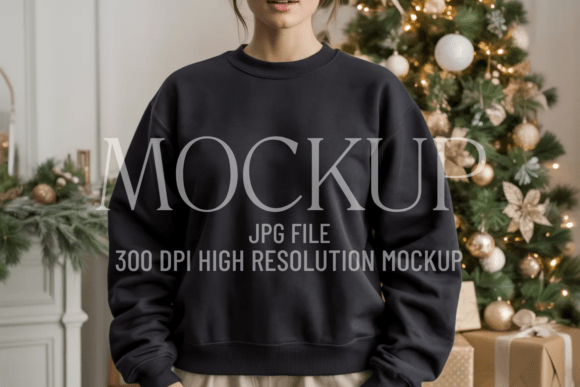
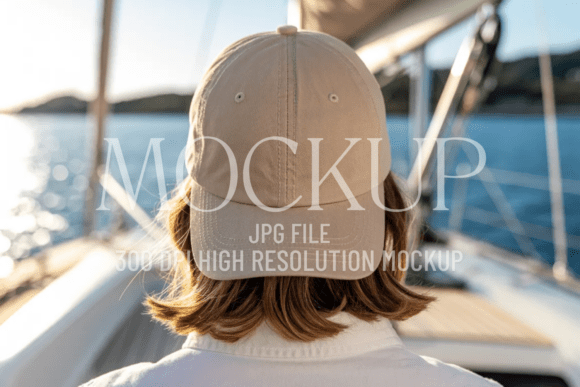
A Minimalist Model Mockup is a digital template designed to present flat design assets—logos, typography, quotes, posters, social media visuals, or branding elements—on a human model in a restrained, uncluttered setting. Unlike lifestyle mockups with busy backgrounds or editorial scenes, this style removes visual noise: no props, no text overlays, no branded tags, and no watermarks. What remains is a focused, high-resolution frame where your design takes center stage against a neutral, often softly lit environment—typically featuring clean clothing, subtle posture, and natural skin tones.
What Sets This Approach Apart?
The defining trait of the Minimalist Model Mockup isn’t just simplicity—it’s intentionality. It prioritizes clarity over context. Where other mockup categories emphasize realism (e.g., a coffee cup on a sunlit desk) or narrative (e.g., a person using a laptop in a co-working space), this format treats the human form as a refined surface—not a character in a story. The 300 DPI JPG file ensures print-ready quality, while the absence of embedded text or logos means full creative control: you insert only what matters to your project.
This differs meaningfully from alternatives like:
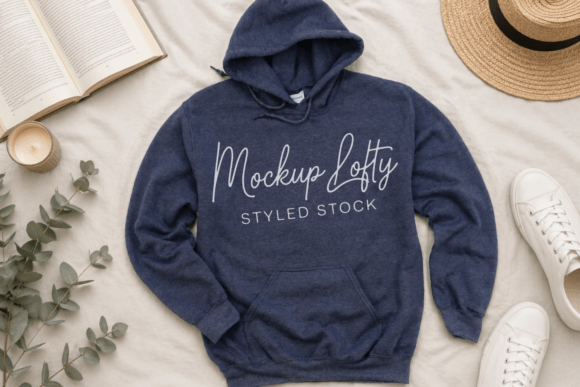
- Studio-style product mockups, which isolate items on white backdrops but lack human scale or relatability;
- Lifestyle mockups, which add environmental storytelling but risk distracting from your core design;
- 3D-rendered or layered PSD mockups, which offer flexibility but require software proficiency and time investment to customize.
A Minimalist Model Mockup sits between those extremes: more grounded than studio shots, more adaptable than complex lifestyle scenes, and more accessible than multi-layered editable files—especially for designers who prioritize speed and consistency over granular customization.
Strengths You Can Rely On
Its greatest strength lies in versatility without compromise. Because it includes no fixed text or branding, the same mockup works equally well for:
- A boutique skincare brand showcasing a clean label design on a sleeve;
- A motivational quote poster placed across a model’s chest in muted tones;
- An Instagram carousel slide highlighting a new font family, draped over a folded arm;
- A podcast logo subtly positioned on a collar or lapel for cohesive visual identity.
The high-resolution output supports both digital sharing and physical printing—no pixelation when scaled for web banners or framed prints. And because it’s delivered as a single JPG, there’s no need for Photoshop knowledge, layer management, or plugin dependencies. That lowers the barrier for freelancers, small business owners, educators, or content creators who need polished visuals without technical overhead.
Tradeoffs Worth Considering
That simplicity comes with boundaries. A Minimalist Model Mockup doesn’t allow dynamic pose changes, background swaps, or lighting adjustments. If your project requires showing a design across multiple angles—or needs to match a specific seasonal palette or interior aesthetic—you’ll hit limits faster than with layered PSD or smart-object-based mockups. Likewise, it won’t simulate fabric texture, material drape, or reflective surfaces the way advanced 3D tools can.
It also assumes your audience responds well to understated presentation. For industries leaning into bold personality—streetwear brands, music festivals, or youth-oriented campaigns—a minimalist approach may feel too quiet unless paired intentionally with strong color, typography, or motion in the final composition.
When Does It Fit Best?
A Minimalist Model Mockup shines in situations where credibility, cohesion, and calm confidence matter more than flash. Think of:
- Brand identity packages: Presenting logo variations, color systems, or stationery on a consistent human scale builds trust through repetition and restraint.
- Portfolio curation: Designers compiling case studies benefit from uniform presentation—viewers focus on evolution of concept, not shifting mockup styles.
- Social proof visuals: Clients sharing “before/after” branding work gain clarity when the only variable is their design—not changing models, outfits, or settings.
- E-commerce support: Shops selling printable art, digital planners, or quote-based products use these mockups to demonstrate real-world placement without staging physical photos.
In contrast, if your workflow demands frequent iteration—say, testing how a logo reads on five different shirt colors or under three lighting conditions—a layered mockup with smart objects would likely save time long-term. Similarly, if your client expects cinematic storytelling (e.g., “show our app interface being used mid-hike”), a model-based minimal mockup won’t fulfill that brief.
Real-World Use: A Side-by-Side Example
Imagine launching a new wellness brand with a soft serif logo and sage-and-cream palette. You prepare three presentation options:
- A studio mockup shows the logo centered on white cardstock—clean, but lacks warmth and human connection.
- A lifestyle mockup places the logo on a yoga mat beside a steaming mug and succulents—engaging, yet the mat’s pattern competes visually, and the mug distracts from logo legibility at smaller sizes.
- A Minimalist Model Mockup presents the same logo embroidered on a loose-knit cream sweater, worn by a model facing slightly away, hands relaxed. No props. No competing textures. Just shape, tone, and proportion working together.
The third option doesn’t tell a story—but it communicates values: calm, intention, craftsmanship. That alignment matters when your audience is evaluating whether your brand feels trustworthy and coherent.
Making the Call: Is This the Right Tool for Your Needs?
Ask yourself three questions before choosing a Minimalist Model Mockup:
- Do I value consistency over variety? If you’re building a library of assets for ongoing use—social posts, pitch decks, client reports—uniformity helps reinforce recognition.
- Is my design strong enough to carry the frame? Minimalism reveals weaknesses: poor spacing, weak contrast, or inconsistent sizing become obvious fast. That’s useful feedback—but only if you’re ready to refine first.
- Do I have constraints on time, tools, or technical skill? If editing in Photoshop feels like a bottleneck, and free online generators produce low-res or watermark-laden results, a ready-to-use, high-DPI JPG becomes a pragmatic advantage.
None of these make the Minimalist Model Mockup “better” in absolute terms—but they clarify where it delivers measurable value. It’s not a replacement for every mockup type. It’s a deliberate choice for specific goals: elegance without excess, professionalism without pretense, and presentation that serves the design—not the other way around.
Final Thought: Clarity Over Clutter
In an era where attention spans are narrow and visual fatigue is real, how you show your work affects how it’s received. A Minimalist Model Mockup doesn’t shout. It invites closer looking. It gives breathing room to ideas that deserve it. Used thoughtfully—with attention to color harmony, scale, and alignment—it becomes more than a container for design. It becomes part of the message.