Chick SVG Cricut Cut File: A Practical Evaluation for Crafters
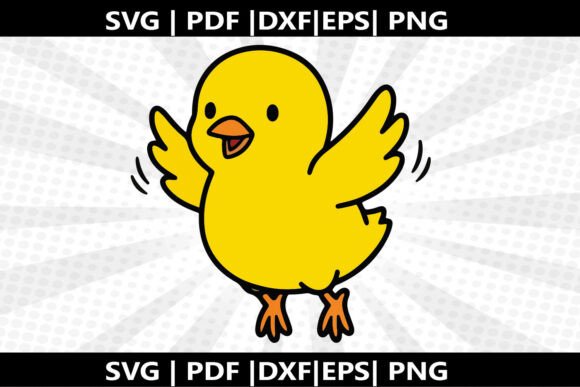
A Chick SVG Cricut Cut File is a digital vector design—typically depicting a stylized chicken or chick motif—formatted for use with electronic cutting machines and design software. It’s not physical material, but a scalable, editable file intended for crafting applications like heat-transfer vinyl (HTV) projects, iron-on apparel, sublimation, stickers, home decor, and more. While often marketed with playful language, its real-world utility depends on your tools, skill level, and intended output—not just aesthetics.
Who Might Benefit From This File?
This type of file appeals most to crafters who already own or plan to use compatible cutting machines—including Cricut Explore/Air/Maker models, Silhouette Cameo (especially Designer Edition), Brother ScanNCut, or laser cutters like Glowforge. It’s also relevant for those using vector-editing software such as Adobe Illustrator, Inkscape, or CorelDRAW.
Common users include:
- Band moms and sports volunteers needing custom apparel for team events or fundraisers;
- Animal lovers or small-farm enthusiasts seeking lighthearted, farm-themed decor;
- Small-batch makers producing greeting cards, mugs, tote bags, or wall art;
- Educators or camp coordinators creating themed crafts or classroom decorations.
It’s less suited for beginners unfamiliar with design space workflows, file importing, or basic layer management—unless they’re willing to invest time in learning foundational skills first.
What’s Included—and Why Format Variety Matters
The download typically arrives as a single ZIP archive containing multiple file types: SVG, DXF, EPS, PNG (300 dpi, transparent background), and PDF. Each serves distinct purposes:
- SVG works natively in Cricut Design Space and many premium vector editors; ideal for layered HTV cuts.
- DXF supports Silhouette Studio Basic Edition and CNC/laser systems where SVG isn’t accepted.
- EPS offers broader compatibility with professional-grade vector software, useful for resizing or editing complex paths.
- PNG enables print-and-cut workflows, sublimation, or digital use—though raster files lose quality if enlarged beyond original dimensions.
- PDF is best for reference, documentation, or high-resolution printing—not cutting.
Having all formats increases flexibility, especially if you switch machines or collaborate with others using different software. However, most hobbyists only need SVG or DXF—so extra formats add convenience, not necessity.
Practical Benefits and Realistic Expectations
One advantage of well-made Chick SVG Cricut Cut Files is clean vector construction: minimal anchor points, smooth curves, and intentional cut lines that reduce weeding time and improve cut accuracy. This matters when working with fine details—like feathers or beak contours—on thin materials such as vinyl or paper.
Scalability is another strength. Unlike bitmap images, vector files retain crisp edges at any size—from a 1-inch decal to a 12-inch wall quote—without pixelation. That makes them adaptable across product categories: t-shirts, mugs, tote bags, stickers, and framed prints.
However, scalability doesn’t eliminate material constraints. A design that cuts cleanly at 4 inches may struggle at ½ inch due to blade width limitations or adhesive backing thickness. Likewise, intricate inner details (e.g., tiny eyes or separated toes) may not transfer reliably on low-tack vinyl or certain fabrics without testing.
When This File Fits Well—And When It Doesn’t
A Chick SVG Cricut Cut File is a strong fit if:
- You regularly produce themed merchandise and want consistent, reusable artwork;
- Your workflow relies on digital cutting and you prefer ready-to-use vectors over drawing from scratch;
- You value time savings over full creative control—and don’t need to modify core elements like pose or expression;
- You’re comfortable troubleshooting common issues: offset settings, mat alignment, or layer grouping in Design Space.
Alternatives may be preferable if:
- You require highly customized illustrations (e.g., a specific breed, color, or action pose) — in which case commissioning an artist or using illustration software may yield better results;
- You work primarily with screen printing or embroidery, where vector files need additional preparation (trapping, stitch digitizing) beyond standard SVG use;
- You lack access to a compatible machine or subscription-based software (e.g., Cricut Access required for some fonts or features, though the file itself doesn’t depend on it);
- You prioritize free resources—many public-domain or Creative Commons chicken illustrations exist, though they may lack optimized cut paths or multi-format support.
Making an Informed Choice
Before purchasing, review preview images carefully—not just final renders, but close-ups of cut lines and node structure if available. Look for signs of thoughtful construction: closed paths, no overlapping shapes, and clearly labeled layers (e.g., “shadow,” “outline,” “fill”). Poorly built files often cause errors during upload or cut—such as missing sections, jagged edges, or unintended compound paths.
Check licensing terms. Most commercial-use licenses allow resale of physical items made with the file—but prohibit redistribution of the digital file itself or use in digital templates sold to others. If you’re creating products for resale, confirm the license permits it.
Also consider your current hardware and software setup. If you own a Cricut machine but haven’t used Design Space beyond basic text projects, allocate time to practice importing and ungrouping SVG layers before committing to a themed file. Similarly, Silhouette users on the free version should verify DXF compatibility with their edition.
Finally, ask whether this specific chick design aligns with your audience or brand. A cartoonish chick suits children’s events or spring themes; a realistic rooster may better serve agricultural fairs. The right visual tone matters more than technical polish alone.
Conclusion
A Chick SVG Cricut Cut File is a functional tool—not a magic solution. Its value lies in how well it integrates into your existing process, matches your output goals, and supports repeatable, reliable results. For crafters with compatible equipment and clear project needs, it can streamline production and expand creative options. For others, evaluating alternatives—custom illustration, free assets, or simpler clip-art—may offer better alignment with skill level, budget, or long-term objectives. As with any digital craft resource, success depends less on the file itself and more on how thoughtfully it’s selected and applied.